

Architectural visualization studio selection is one of the most important decisions developers make before launching a new project.
Every real estate project is sold long before construction begins.
Long before concrete is poured or steel reaches the skyline, investors decide whether to fund it, planning authorities evaluate its potential, and future buyers imagine themselves living or working there.
At this stage, drawings alone are rarely enough.
People don’t buy floor plans.
They buy confidence.
That confidence is created through high-quality architectural visualization.
After more than twenty years working on architectural visualization projects across Europe, North America, Asia and the Caribbean, I have seen the same mistakes repeated over and over again.
Most of them have nothing to do with rendering software.
They have everything to do with choosing the wrong partner.
Here are seven mistakes that developers should avoid before hiring an architectural visualization studio.
1. Choosing Price Instead of Experience
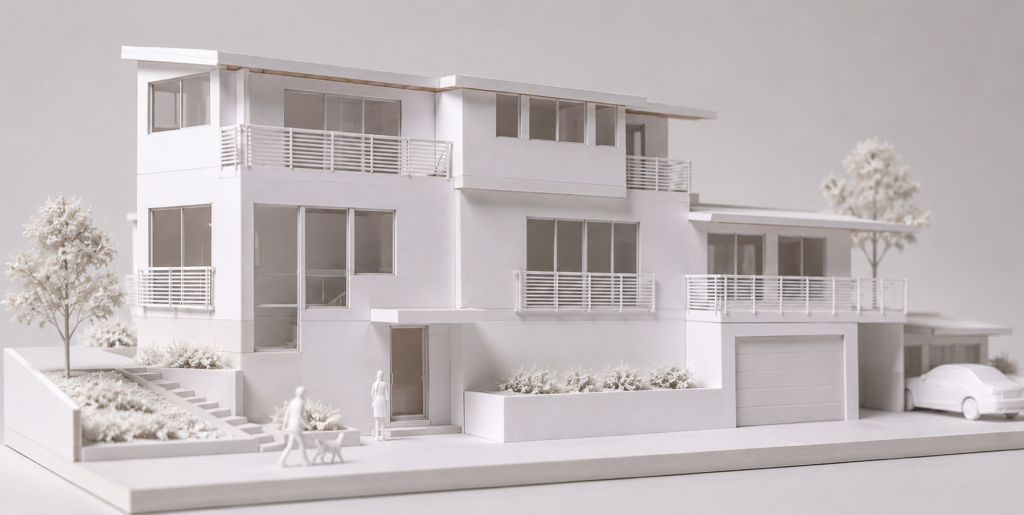
Everyone likes to reduce costs.
However, architectural visualization is rarely the right place to do it.
A rendering is often the very first impression investors, buyers, hotel operators, municipalities or business partners will have of a project.
If that first impression looks amateur, rebuilding trust becomes difficult.
A studio with real architectural experience understands much more than software.
It understands scale, proportions, materials, construction logic and visual storytelling.
The cheapest option frequently becomes the most expensive one after multiple revisions, missed deadlines and disappointing marketing results.
2. Hiring Artists Who Don’t Understand Architecture
Why Choosing the Right Architectural Visualization Studio Matters?
Creating beautiful images and understanding architecture are two completely different skills.
Many visualization artists are technically talented.
Far fewer understand how buildings actually work.
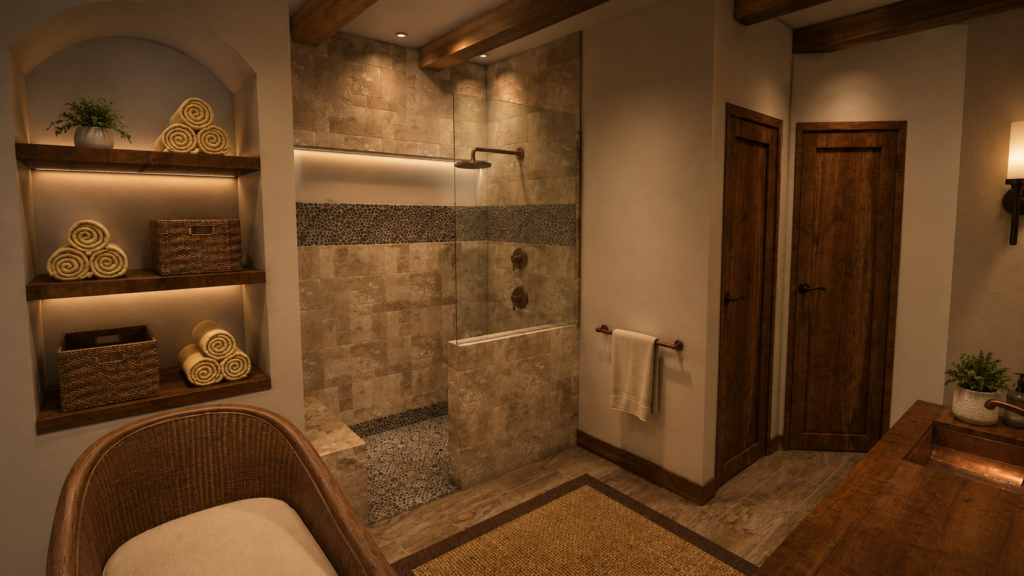
Architectural visualization should communicate realistic construction, believable lighting, appropriate materials and functional design.
When proportions are incorrect or architectural details feel unrealistic, experienced architects, investors and planning authorities notice immediately.
Good visualization doesn’t simply look attractive.
It feels credible.
3. Waiting Until the Design Is Finished
One of the most common mistakes is treating visualization as the final step.
In reality, visualization becomes far more valuable when introduced early.
Concept renderings allow architects and developers to evaluate proportions, materials, circulation, lighting and overall atmosphere before expensive decisions become permanent.
Small adjustments during design often prevent significant costs during construction.
Visualization should be part of the design process—not only the marketing process.
4. Forgetting That Images Tell Stories
People rarely remember dimensions.
They remember emotions.
An outstanding rendering doesn’t simply display a building.
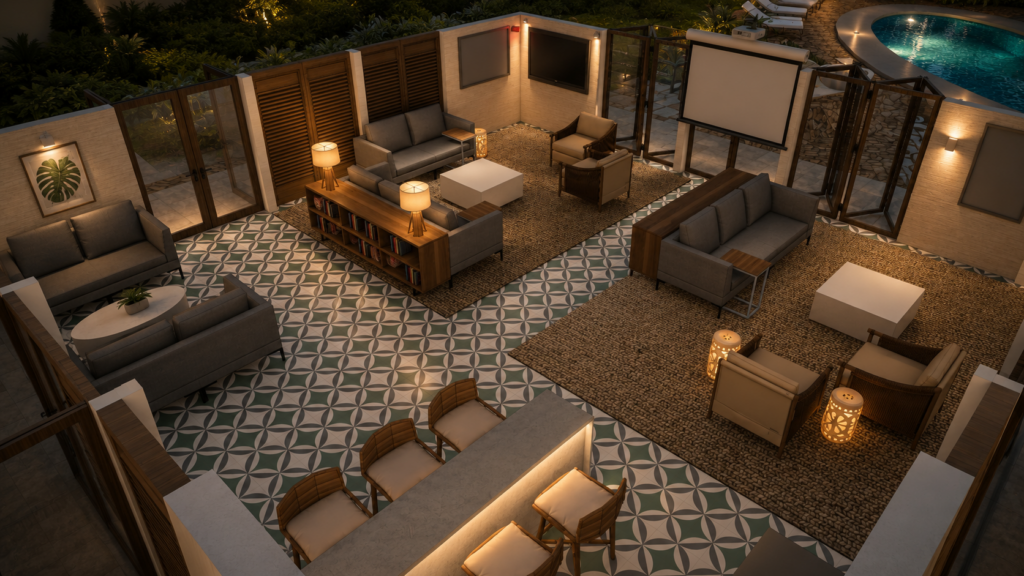
It communicates what life inside that building feels like.
Natural morning light entering a living room.
Guests arriving at a luxury resort.
Families enjoying outdoor spaces.
Professionals working inside inspiring offices.
Every image should answer one question:
Why would someone want to be here?
When storytelling is ignored, even technically perfect renderings become forgettable.
5. Ignoring the Target Audience
Every development speaks to a different audience.
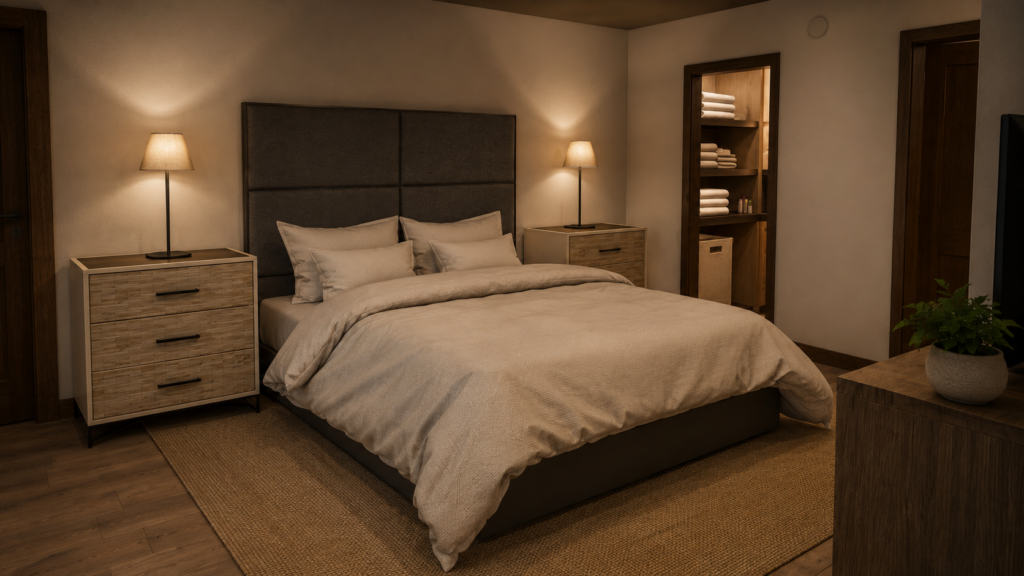
Luxury residential buyers expect elegance and exclusivity.
Hotel guests seek atmosphere and comfort.
Commercial investors focus on functionality and long-term value.
A single visualization style cannot effectively communicate with every market.
Understanding the future buyer is just as important as understanding the architecture itself.
The strongest visualization projects begin by identifying exactly who the images are meant to persuade.
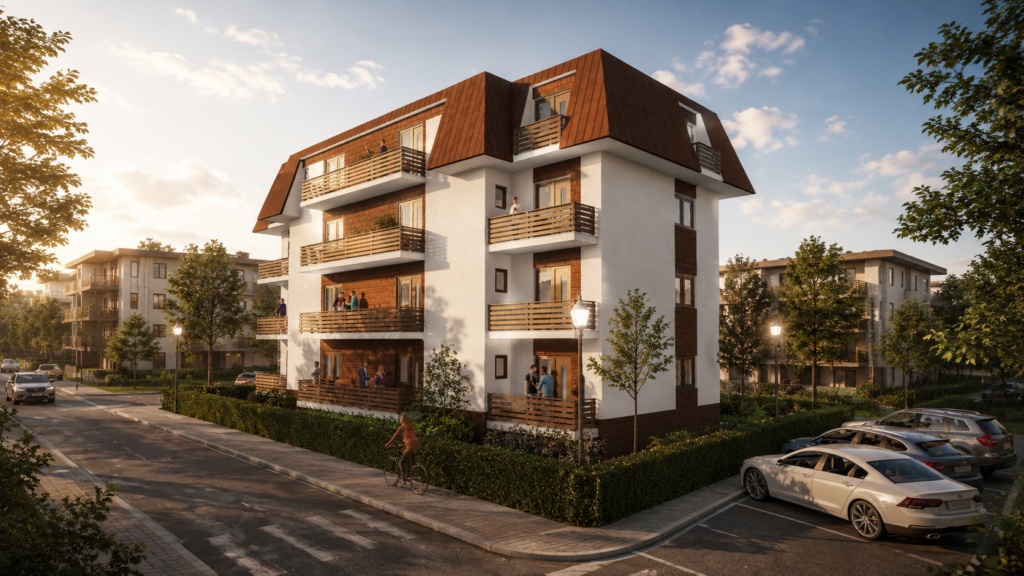
6. Prioritizing Quantity Over Quality
Some developers request dozens of renderings simply because they believe more images create greater impact.
Experience shows the opposite.
Six exceptional images will almost always outperform thirty average ones.
Each rendering should have a clear purpose.
A hero exterior.
An emotional interior.
A twilight atmosphere.
Aerial context.
Lifestyle perspective.
Marketing succeeds through carefully selected visuals rather than overwhelming volume.
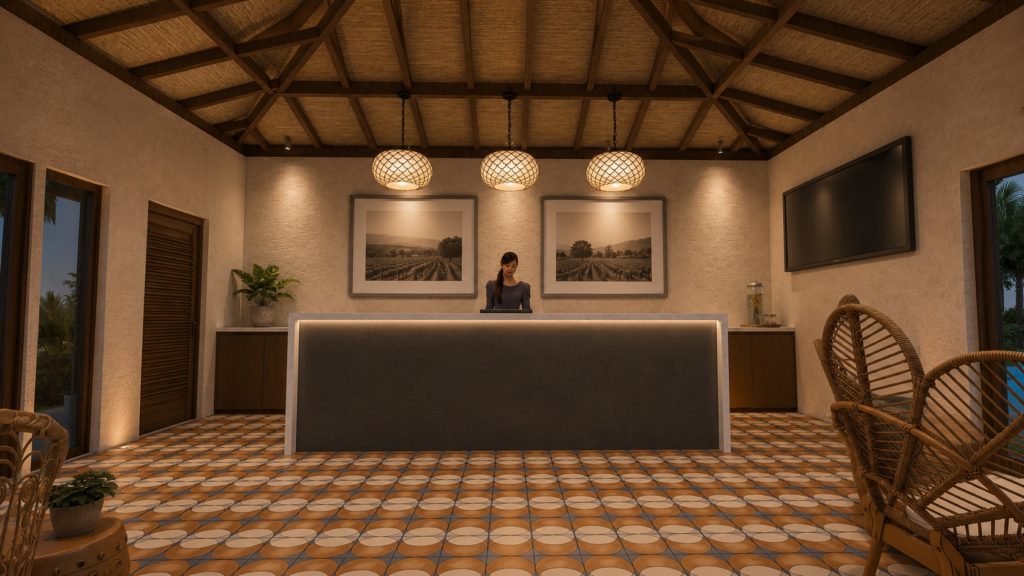
7. Thinking the Render Is the Final Product
A rendering should never exist for a single presentation.
Professional visualization becomes one of the most versatile marketing assets a project can produce.
The same images can support:
- investor presentations
- planning approvals
- real estate websites
- brochures
- social media campaigns
- LinkedIn marketing
- printed advertising
- sales offices
- trade exhibitions
- international competitions
When visualization is planned strategically, its value extends far beyond the initial commission.
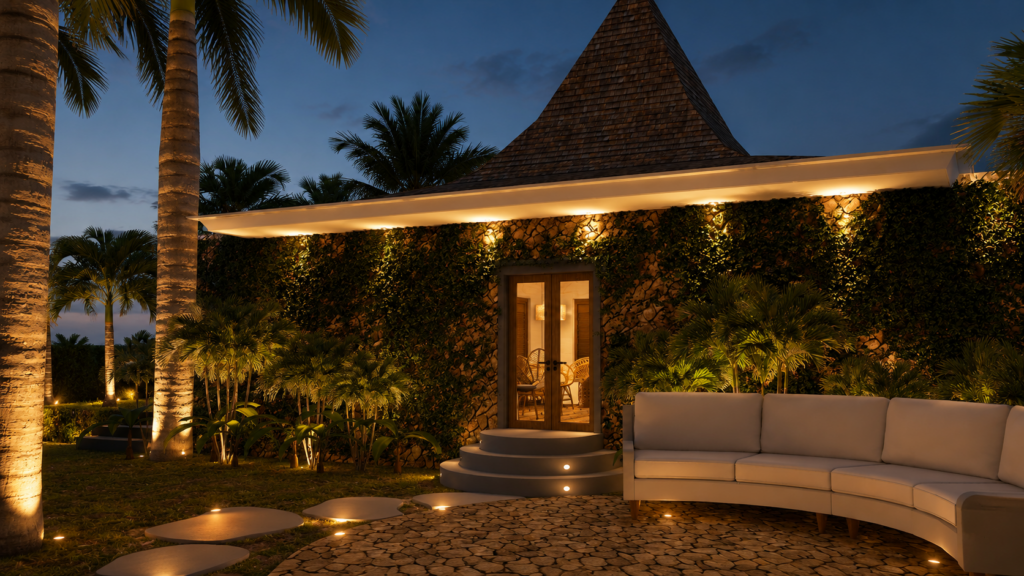
Choosing the Right Architectural Visualization Studio
Selecting an architectural visualization studio is about much more than commissioning attractive images.
It means choosing a creative partner capable of understanding architecture, solving visual communication challenges and presenting projects with clarity and credibility.
At Just3DS, every project begins with architecture—not software.
More than two decades of architectural design and visualization experience have shaped a workflow focused on helping architects and developers communicate ideas with confidence.
Whether the project is a private residence, luxury resort, winery, commercial development or urban masterplan, the objective remains the same:
Create images that help people believe in a project before it exists.
Final Thoughts
The best architectural visualization doesn’t simply impress people.
It helps projects move forward.
It attracts investors.
It accelerates approvals.
It strengthens marketing.
And ultimately, it helps sell architecture before construction begins.
If you’re planning your next development and would like visualization that combines architectural understanding with premium presentation quality, I’d be happy to discuss your project.